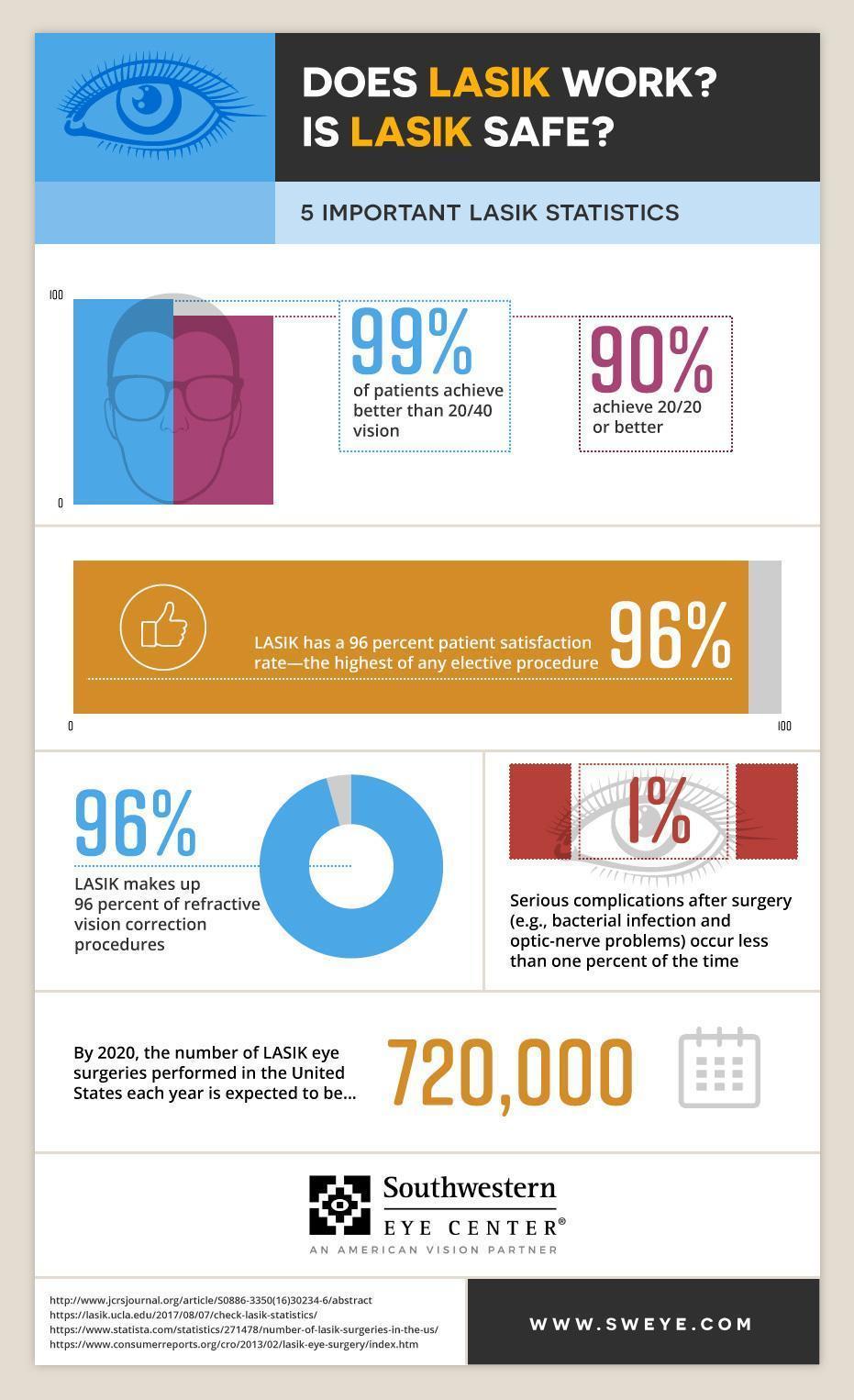
In terms of recovering vision, a handful of advancements in medical science are as remarkable as LASIK surgery. mouse click the up coming web site has revolutionized the lives of millions, offering the prospect of crystal clear sight without the reliance on glasses or contact lenses. At the heart of this transformation is the highly trained LASIK surgeon, whose proficiency is pivotal in ensuring that each patient receives the highest standard of care and optimal results. Grasping the role of a LASIK surgeon illuminates the complexities of this procedure and the devotion required to achieve positive outcomes.
A professional LASIK specialist plays a vital part in the journey toward improved vision. They begin with a thorough evaluation of the patient's eyes and overall health, customizing each approach to specific needs. Whether a bladeless LASIK surgeon utilizing the newest technology or a personalized LASIK surgeon focused on patient comfort and education, these experts are dedicated to leading patients through each step of the process. Knowing what to expect from a LASIK surgeon helps demystify the experience and encourages trust in the vision restoration journey.
Understanding LASIK Surgery
Laser-Assisted In Situ Keratomileusis, short for Laser-Assisted In Situ Keratomileusis, is a widely-used surgical method intended to correct typical vision issues such as myopia, hyperopia, and irregular vision. This technique utilizes cutting-edge laser technology to contour the cornea, allowing light entering the eye to be properly directed onto the retina. By addressing these refractive errors, LASIK helps individuals to achieve sharper vision, frequently lessening or eliminating their dependence on spectacles or contact lenses.
The surgery itself usually is fast and performed on an outpatient basis setting. Skilled LASIK ophthalmologists begin by forming a slim flap on the cornea using either a blade or a femtosecond laser. After the flap is raised, the underlying corneal tissue is carefully reshaped using a laser. After the procedure, the flap is returned, where it naturally adheres without the need for stitches. High Volume Lasik Surgeon feel minor discomfort and can typically go back to their normal activities within a day or two.
Selecting a professional LASIK specialist is essential for ensuring best results and individual safety. An skilled ophthalmologist will assess each eye health, talk about treatment possibilities, and customize the approach to the unique needs of each patient. With individualized care and a thorough understanding of the most recent technologies, a proficient LASIK surgeon can help patients achieve their targeted vision outcomes with a significant of satisfaction.
The Surgeon’s Expertise
A responsibility of a LASIK ophthalmologist is essential in the vision restoration process, as their knowledge directly influences the outcome of the operation. An skilled LASIK specialist possesses thorough knowledge and expertise in various laser eye surgeries. Their knowledge of the complexities of the human eye and the cutting-edge surgical ensures that patients receive the best possible care. When choosing a LASIK ophthalmologist, it is crucial to consider their qualifications and history in performing successful procedures.
A knowledgeable LASIK ophthalmologist remains abreast on advancements in procedures and methods, such as bladeless LASIK. This approach uses lasers for the whole process, boosting precision and safety. The ability to tailor treatments based on specific patient needs is a hallmark of a professional LASIK surgeon. By adapting the surgical to each patient's unique visual needs, these surgeons can improve outcomes and minimize the risk of complications.
Selecting a personalized LASIK surgeon requires considering their commitment to patient treatment and education. A great surgeon will invest the effort to explain the complete process, address concerns, and make certain that patients completely understand the risks and positive outcomes. This degree of involvement not only fosters trust but also empowers patients to reach informed decisions about their vision restoration journey.
Tailored Strategy to Vision Restoration
A customized approach to vision restoration is vital for achieving optimal outcomes in LASIK operations. Each client's eyes are unique, which implies that their vision correction needs will not be the same. A skilled LASIK specialist takes the time to conduct in-depth assessments, including specific measurements of the eye's form, dimensions, and optical flaws. This information allows them to craft a personalized laser treatment plan that considers each patient's particular sight aims and physiological aspects.
In further customizing the procedural aspects of the procedure, a certified LASIK specialist also emphasizes comprehending the client's lifestyle. By conducting significant conversations about visual demands, hobbies, and daily activities, they can confirm that the treatment matches the individual's expectations. Whether a patient wants better vision for sports, text, or merely everyday functions, a personalized strategy helps to modify the procedure to meet those demands.
Moreover, advancements in tech have made it easier for a laser LASIK surgeon to offer further customized care. With state-of-the-art tools and approaches, surgeons can minimize risks and enhance accuracy. This exactness allows for modifications during the procedure, guaranteeing that each individual's treatment is aligned with their specific vision requirements. The outcome is a superior and satisfying outcome, providing patients with the clearness and quality of vision they seek.
Post-Operative Care and Follow-Up
After the LASIK procedure, the role of the LASIK surgeon extends beyond the operating room to ensure a successful recovery. Patients are typically provided with specific post-operative instructions, which may include the application of prescribed eye drops to minimize inflammation and prevent infection. It is essential for individuals to adhere to these guidelines to support healing and achieve optimal vision results. Routine check-ups with the surgeon are crucial to monitor the healing process and to discuss any queries or concerns that may arise.
Post-operative visits are usually scheduled during the initial week after surgery, with additional appointments spaced over the following months. During these visits, a skilled LASIK ophthalmologist will evaluate the individual's visual acuity and overall eye health. They will also discuss any side effects or variations in vision that might occur, leading patients through the recovery process to ensure their ease and satisfaction. This careful monitoring reflects the commitment of the professional LASIK specialist to their patients' well-being.
In some cases, modifications may be necessary if patients experience any complications or if the initial results are not as expected. This is where a personalized LASIK surgeon shines, as they can tailor follow-up care to meet individual needs. By fostering an open line of dialogue, patients can feel confident that their LASIK surgeon is dedicated to their visual health, making any adjustments necessary to secure the most favorable outcomes.